Learn Why Sliding Doors Work So Well for Creating Indoor-Outdoor Living Spaces
Sliding doors provide a convenient solution for improving indoor-outdoor areas. Their structure enables a smooth transition between spaces, maximizing natural brightness and vistas. This aspect not only enhances visual appeal but also promotes better airflow and flexible space configurations. As homeowners strive to incorporate nature into corresponding information their everyday existence, the benefits of sliding doors become increasingly significant. Examining the various styles and benefits demonstrates even more compelling justifications to evaluate them for any home.

The Perks of Sliding Doors for Indoor-Outdoor Living
Sliding doors create a smooth passage between indoor and outdoor spaces, boosting the overall flow of a home. Their expansive glass panels allow natural light to flood interiors, forming a bright and appealing atmosphere. This not only improves the visual charm but also promotes a sense of connection with nature, rendering indoor-outdoor living more delightful.
Additionally, sliding doors are space-efficient, as they do not require swing space like traditional doors, making them perfect for smaller areas. They can also be designed to blend harmoniously with various architectural styles, enhancing the home’s overall design.
Additionally, patio doors can boost air circulation, permitting natural air to flow freely, which is particularly useful in hotter periods. They also deliver effortless entry to exterior spaces, fostering pursuits like al fresco dining or hosting company. Overall, patio doors boost the functionality and pleasure of domestic areas, establishing them as a common selection for contemporary dwellings.
How to Select the Right Sliding Door Design for Your Home
Picking the suitable sliding door style requires several critical points. Property owners should initially assess their residence's architectural style to ensure a unified visual appeal, while also evaluating the available space and intended functionality. Furthermore, the decision of finishes and their durability can substantially impact both aesthetics and operation.
Evaluate your home's style
When selecting a sliding door style, homeowners must consider the overall ambiance of their residence. The chosen style should fit with existing architectural features and interior design elements. For modern homes, sleek and minimalist designs, such as aluminum or frameless glass doors, may be advantageous, promoting a seamless shift between spaces. Conversely, traditional residences might benefit from wood-framed doors, which add warmth and character. Color and finish are also essential; neutral tones often complement various styles, while bold colors can serve as a statement piece. Ultimately, aligning the sliding door style with the home's overall design not only enhances visual appeal but also contributes to a cohesive indoor-outdoor living experience.
Evaluate Area and Performance
Choosing the perfect sliding door for a home requires room and functionality to be essential considerations. Homeowners should first evaluate the available space to decide on the appropriate door size and style. In smaller areas, a single-panel sliding door may be more suitable, whereas larger openings can accommodate multi-panel designs that improve the view and light. Additionally, the functionality of the space is vital; for example, a door opening to a patio may prioritize ease of access, while one connecting to a garden might emphasize aesthetic appeal. Evaluating traffic patterns and the planned use of the area will further assist in choosing a door that matches both the architectural style and practical needs of the home.
Evaluate Substance and Longevity
A range of options are available for sliding doors, each offering distinct advantages regarding durability and aesthetics. Common choices include wood, aluminum, vinyl, and fiberglass. Wood provides a classic look but requires regular maintenance to avoid warping. Aluminum, recognized for its robustness and resistance to weathering, presents a sleek, modern appearance. Vinyl is easy to care for and energy-saving, making it a popular choice for homeowners. Fiberglass combines the best qualities of wood and aluminum, featuring durability while replicating wood's aesthetic appeal. When choosing a sliding door, it is crucial to take into account climate conditions and the door's planned use, guaranteeing that the chosen material aligns with both performance and design preferences. In the end, the right choice improves the indoor-outdoor experience.
Developing Frictionless Flows By Way of Sliding Doors
Sliding doors can significantly improve the natural light flow between interior and exterior spaces, establishing a more appealing atmosphere. By incorporating these doors, homeowners can also maximize space efficiency, making areas seem larger and more integrated. This effortless change not only upgrades the appearance but also boosts the overall performance of a home.
Boost Abundant Illumination Circulation
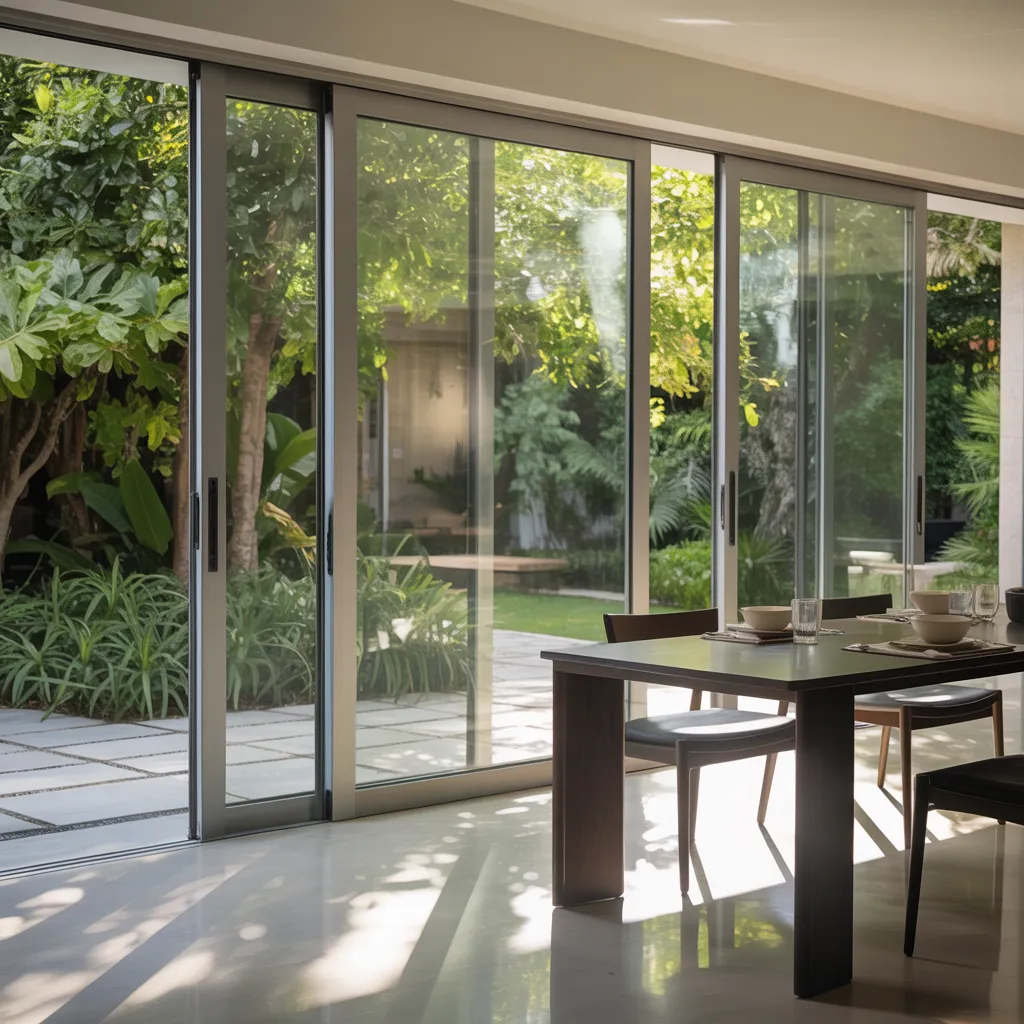
Embracing the allure of bright daylight transforms living spaces, building a charming mood that boosts both coziness and design elements. Sliding glass doors act as a valuable approach for maximizing this light distribution. Their wide transparent panels facilitate bright rays to penetrate, diminishing the barriers between outdoor and indoor zones. This seamless flow not only lights up residential spaces but also creates an open and airy feeling, leaving rooms look more expansive and aligned with natural elements. By strategically placing sliding glass doors, homeowners can make the most of scenery and sunlight at different periods of the day. Whether in a snug kitchen or a roomy living room, the addition of sliding glass doors improves the general feeling, advancing a welcoming and comfortable environment that supports ease and contentment.
Optimize Area Optimization
Changing rooms with sliding doors can noticeably increase space efficiency in homes. These doors remove the need for required clearance needed by traditional copyrightd doors, allowing for more flexible furniture placements and maximizing usable areas. By seamlessly integrating indoor and outdoor environments, sliding doors create an effect of expanded living areas, fostering a more open environment. They can be hung in various configurations to suit different layouts, ensuring optimal flow and accessibility. Additionally, many new sliding doors have slim frames and expansive glass panels, which not only boost visual appeal but also lessen visual clutter. This smart design supports a harmonious transition between spaces, ultimately improving both space and usability in contemporary living.
Maintaining Your Sliding Doors for Lasting Beauty
Preserving sliding doors calls for regular attention to establish they remain both effective and aesthetically pleasing. Routine cleaning is essential; dirt and debris can accumulate in channels, restricting operation and producing wear over time. Occupants should use a light cloth and gentle soap to wipe down the panes and structure, guaranteeing a clear view and inviting appearance.
Additionally, inspecting the paths and rollers for abrasion is vital. Greasing these components with a silicone spray can prevent sticking and secure smooth operation. Checking the barriers for gaps or deterioration helps retain effective energy use and prevents moisture intrusion.
Finally, periodic assessments of the door's positioning can detect any problems early, enabling for timely adjustments. By dedicating a small amount of time to these upkeep duties, sliding doors can continue to enhance indoor-outdoor living spaces while preserving their aesthetics and functionality for years to come.
Transform Your External Space With Gliding Doors
Sliding doors seamlessly erase the lines between indoor and outdoor living, creating a seamless flow that improves any space. By integrating sliding doors into outdoor areas, homeowners can convert their patios, gardens, or balconies into practical additions of their interiors. These doors invite natural light, making outdoor spaces feel more inviting and connected to the home.
Additionally, sliding glass doors can enhance the aesthetic appeal of outdoor areas, providing clear sightlines of nature while providing convenient entry. They establish a flexible setting for relaxation, dining, or entertaining, allowing for flexible utilization of space based on the season.
Furthermore, the extensive selection of designs and finishes available ensures that sliding doors can complement any building style, improving the overall look of the home. Ultimately, the inclusion of sliding doors not only improves exterior usability but also enriches the quality of life by fostering a balanced connection with nature.
The Way Pocket Doors Facilitate Hosting Events Convenient and Serene
The integration of sliding doors not only enhances the aesthetic and functional aspects of outdoor spaces but also considerably eases the process of entertaining. With their smooth transition between indoor and outdoor areas, sliding doors create an inviting atmosphere for gatherings. Hosts can effortlessly transition between kitchens and patios, offering refreshments without feeling confined.
In addition, the generous openings enhance engagement among visitors, encouraging interaction and mingling. The capacity to easily open up a space facilitates for larger gatherings, conveniently hosting more guests.
In addition, the ease of sliding doors means that exterior features, such as barbecues or lounging spaces, are just nearby, reducing the need for numerous trips indoors. This accessibility adds to a relaxed setting where hosts can enjoy their time just as much as their guests. Ultimately, sliding doors convert entertaining into a more pleasant and less stressful experience.
Maximizing Natural Light and Panoramas By Installing Sliding Doors
An wealth of natural light and stunning views can dramatically alter a living space, and glass sliding doors are essential in creating this result. By establishing large apertures, glass sliding doors remove obstructions between interior and exterior environments, letting light to pour into interiors. This not only illuminates areas but also enhances the overall ambiance, making areas feel more inviting and spacious.
Additionally, glass sliding doors provide unobstructed views of gardens, patios, or landscapes, bringing nature indoors. The smooth transition encourages residents to engage with their surroundings, cultivating a sense of connection to the outdoors.
Furthermore, contemporary sliding doors often include large glass panels, which optimize natural illumination while providing energy-efficient options that preserve pleasant interior climate. This combination of aesthetics and functionality makes these door solutions an ideal choice for boosting daylight and captivating outlooks in any home.
Commonly Asked Questions
Do Glass Doors Provide Energy-Efficient Performance Across Varying Climates?
Sliding doors offer energy efficiency across varying climates, especially when installed with double or triple glazing. Correct insulation and weather sealing enhance their performance, lowering heat loss and keeping comfortable indoor temperatures year-round.
What Security Options Can You Discover for Sliding Doors?
Sliding doors provide multiple security features, including multi-point locking systems, reinforced frames, protective bars, and impact-resistant glass. These enhancements help deter unwanted access, providing homeowners with enhanced sense of security regarding their indoor-outdoor spaces.
How Do Sliding Doors Impact Property Selling Price?
Sliding doors can strengthen home resale value dramatically. Their appeal depends on creating smooth transitions between inside and out spaces, luring buyers wanting contemporary beauty and usefulness, consequently potentially yielding higher offers and faster sales.
Is installing sliding door assemblies something I can do myself feasible?
One can mount sliding doors by oneself, given that they possess basic carpentry skills and tools. However, thorough measurement, precise leveling, and complete sealing are essential to guarantee proper functionality and energy efficiency, thus making professional counsel beneficial for beginners.
What Are the Optimal Types for Sliding Doors?
The top materials for sliding doors consist of vinyl for energy efficiency, aluminum for strength, and wood for aesthetic appeal. Each choice presents unique features, permitting homeowners to select based on design, upkeep, and environmental requirements.